🎮 Play CryptoCam Early Access!

CryptoCam is now available in Early Access on Google Play. Jump in and start your cryptid research adventure!

🔍 What is Early Access?

Early Access means you're playing CryptoCam while we're still actively developing it. Expect new features, improvements, and occasional bugs. Your feedback directly shapes the game's future!

Loading discoveries...
verified researcher

New cryptid species documented

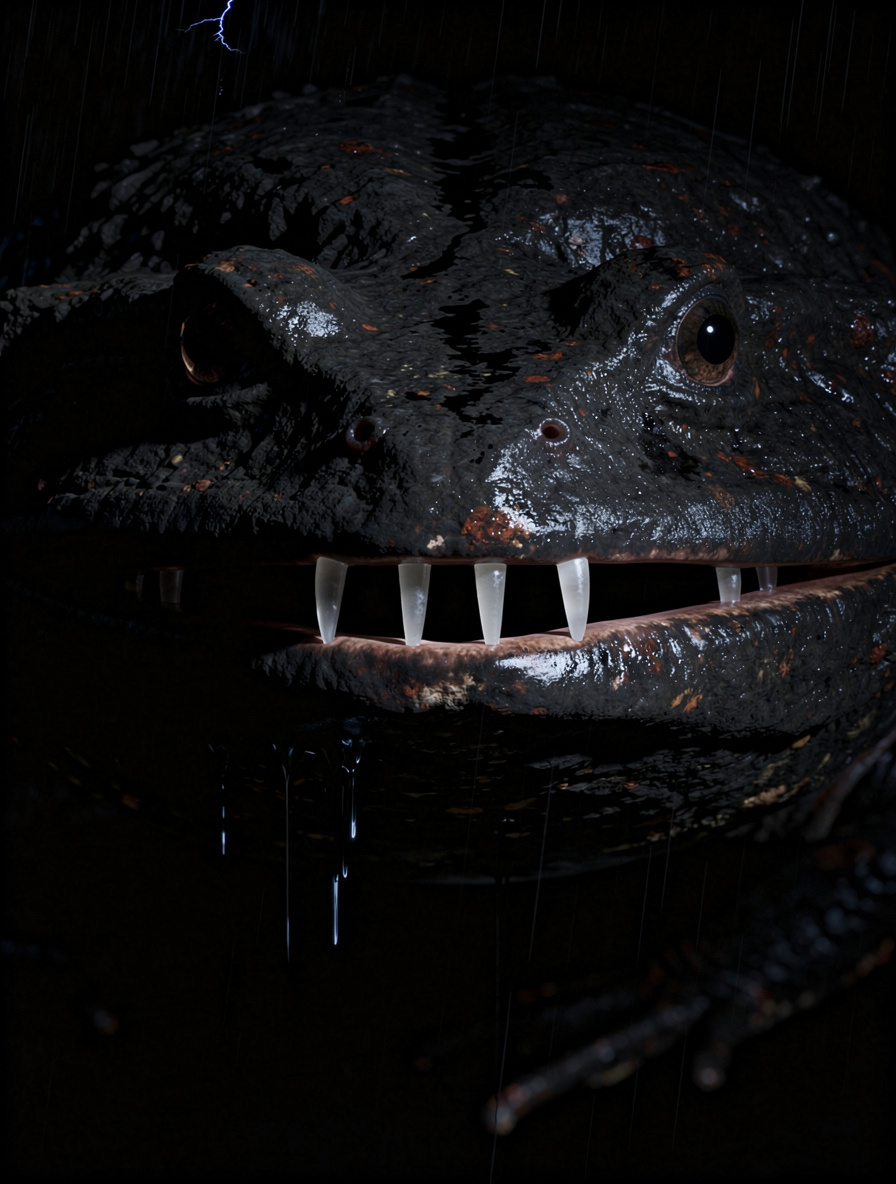
Hantu Gelap Guruh

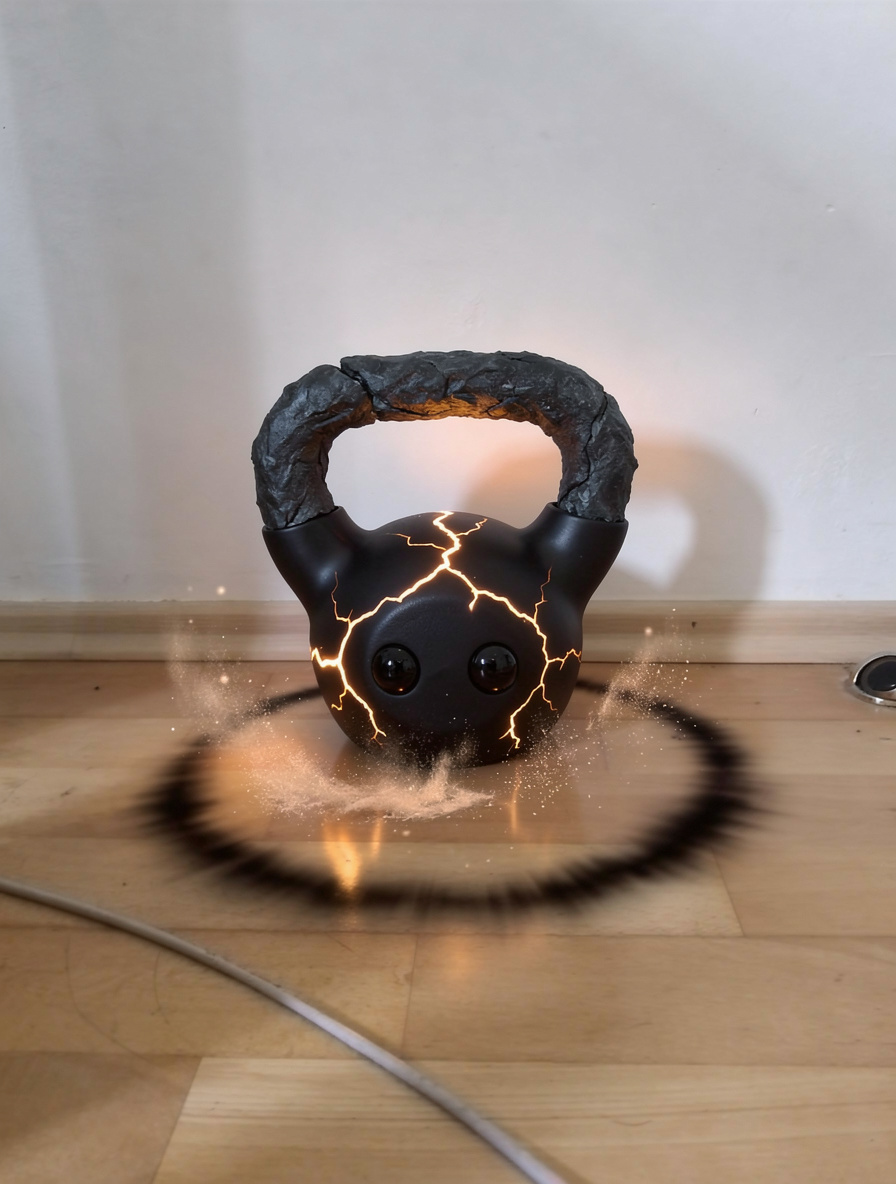
Rarity: Legendary. Tenebrana pluvimortis is perhaps the most elusive cryptid documented in Bornean cryptozoology — not because it hides, but because it *is* the darkness itself. This extraordinary amphibian, estimated at 2.5 to 4 meters in length, possesses a skin composed of densely packed melanophore-like organelles called "voidchromes" — biological structures that absorb 99.7% of visible light across all wavelengths, rivaling synthetic vantablack. The creature is functionally invisible in darkness, and even under direct illumination appears as a flat, featureless silhouette — a hole in reality. Its body plan resembles an enormously elongated giant salamander with six limbs ending in broad, suction-cupped digits, but its head is disproportionately wide and flat, housing a jaw that unhinges laterally rather than vertically, splitting its face into three mandibular sections lined with backward-curving cartilaginous teeth. T. pluvimortis is exclusively active during thunderstorms. It has evolved specialized tympanic organs along its flanks that resonate with thunder frequencies, using the sonic energy to echolocate across distances up to 800 meters — effectively "seeing" through sound that it does not produce itself. Between storms, it enters a state of profound torpor in waterlogged burrows beneath kampung houses, its metabolism dropping to near-zero. Local Kadazan-Dusun folklore speaks of the Hantu Gelap Guruh — the "dark ghost of thunder" — a spirit that steals the light from rooms during storms. Electrical failures during thunderstorms in rural Sabah villages are sometimes attributed to this creature, and there may be a scientific basis: its voidchrome skin generates a weak bioelectric field that can interfere with unshielded wiring at close range, causing localized power disruptions. Its ecological niche is that of an apex nocturnal ambush predator of wild boar, civets, and large rodents during monsoon storms. Its primary weakness is its absolute dependence on thunderstorms for navigation; in silence, it is effectively blind and immobile. The photograph — pure, impenetrable black — may represent the most direct documentation of this species ever captured: the creature filling the entire frame, its light-devouring skin rendering the camera's sensor useless.
verified researcher

New cryptid species documented

Železňák

Rarity: Uncommon. The Železňák (Ponderosus domesticus) is a small, sedentary ferrovore — an organism that metabolizes iron and steel — endemic to the apartment blocks of South Moravia. Measuring 20–30 cm in height and weighing between 8 and 24 kg, it is virtually indistinguishable from a standard cast iron kettlebell when at rest, which constitutes roughly 97% of its life. Its exoskeleton is composed of a biogenic iron-carbon alloy secreted by specialized dermal glands, forming a seamless shell with a distinctive arched crest that functions as both a sensory organ and a crude locomotion aid. When the apartment is empty and vibrations cease, the Železňák slowly extends four stubby, retractable legs from its flat underside and drags itself across the floor at speeds of up to 0.3 m/h, seeking metal objects to consume — screws, coins, paperclips, and especially loose radiator fittings. It absorbs iron through a ventral mouth lined with magnetite-tipped rasping teeth. Its digestion produces trace amounts of heat, which explains why kettlebells in Czech apartments sometimes feel inexplicably warm to the touch. The creature reproduces by budding: once it accumulates enough mass (typically above 20 kg), a small 2 kg "mini-bell" detaches from its base and begins its own sedentary existence. Železňáci are harmless to humans but are considered minor household pests due to their tendency to consume small metal objects. Their primary weakness is rust — prolonged exposure to humidity causes their shell to degrade, and they instinctively avoid bathrooms. They thrive in dry, warm environments like the parquet-floored living rooms of Czech panelák apartments. The creature's uncanny mimicry is explained by convergent evolution: its ancestors, small iron-metabolizing organisms from Moravian ore deposits, adapted to human habitation over centuries, evolving to resemble the most inconspicuous heavy iron object in a modern home. Locals in Brno report that their kettlebells occasionally "migrate" to different rooms overnight — a phenomenon now attributed to Železňák activity. Its shadow, cast against white walls, sometimes appears to shift even when the creature is supposedly inert, suggesting low-level bioluminescent camouflage adjustments in its shell pigmentation.

verified researcher

New cryptid species documented

Železňák

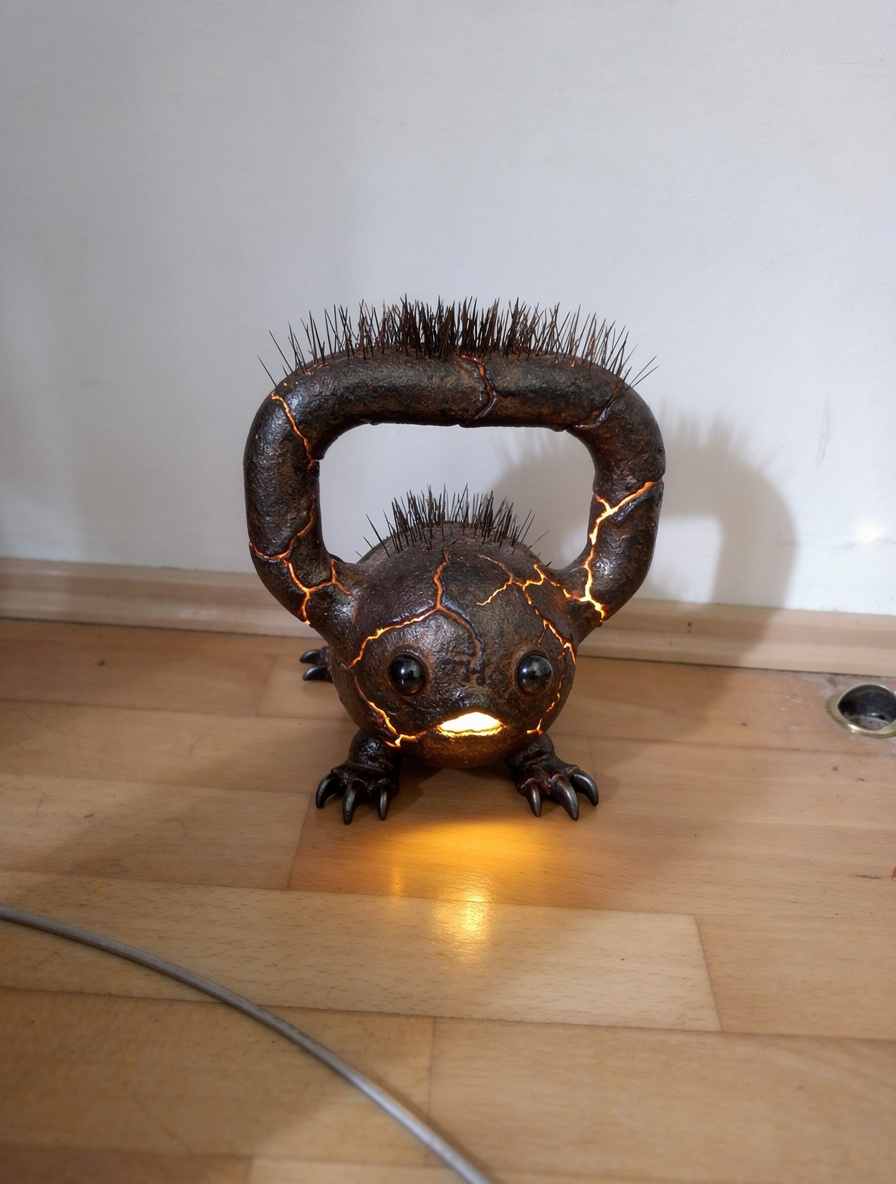
Rarity: Uncommon. The Železňák is a compact, sedentary cryptid endemic to the indoor environments of Central European apartments, particularly common in the Brno metropolitan area. At first glance, it is indistinguishable from an ordinary cast iron kettlebell — a mimicry so perfect that thousands of specimens likely sit undetected in home gyms across Moravia. The creature measures 20–25 cm in height and weighs precisely 8 kg in its resting state, though it can subtly increase its apparent mass to 12 kg when it senses someone attempting to lift it, a phenomenon locals describe as "the kettlebell fighting back." Its body is composed of a unique biological iron-calcium composite exoskeleton — a ferrite-keratin hybrid matrix that gives it the exact matte-black texture and cold touch of cast iron. The large loop atop its body, which resembles a kettlebell handle, is actually a sensory arch containing thousands of vibration-detecting cells that allow it to perceive footsteps and ambient movement within a 5-meter radius. The Železňák is an ambush feeder. It absorbs micro-nutrients — skin cells, sweat residue, and trace minerals — from human hands through microscopic pores distributed across its handle surface. A single lifting session provides enough sustenance for approximately two weeks. It reproduces asexually via slow budding, extruding a small iron-dense nodule from its flat base over a period of 6–8 months, which eventually detaches and rolls to a new corner. Its primary weakness is sustained temperatures above 45°C, which cause its ferrite-keratin matrix to soften and reveal faint bioluminescent veins of deep amber beneath the surface — the only reliable way to identify a live specimen. The shadow it casts is subtly wrong: slightly too large and occasionally shifting independent of the light source, a byproduct of a weak gravitational field distortion generated by its ultra-dense iron core. Scientists theorize this micro-gravitational anomaly evolved as a stabilization mechanism, anchoring the creature firmly to floors and preventing accidental displacement. The Železňák is harmless, patient, and arguably the most successful domestic mimic ever documented.

Advertisement
verified researcher

New cryptid species documented

Processing image...

Rarity: Uncommon. The Železňák (Kettlebellus domesticus) is a sedentary ferrovorous cryptid endemic to the apartment blocks of Central European housing estates, particularly the panelák neighborhoods of Moravia. Standing approximately 25 cm tall and weighing between 8-16 kg, this creature has evolved to perfectly mimic common household fitness equipment — specifically cast iron kettlebells. Its exoskeleton is composed of a biogenic iron-carbon composite secreted by specialized dermal glands, giving it the exact appearance and texture of powder-coated cast iron. The distinctive "handle" is actually a muscular arch used for thermoregulation, dissipating excess metabolic heat generated by its extraordinarily dense body. Two small, obsidian-black eyes are concealed within the surface texture of its spherical body, visible only when the creature blinks — roughly once every forty minutes. The Železňák feeds on iron trace deposits in wooden flooring, slowly absorbing ferrous minerals through its flat underside via osmotic microfilaments, which explains the subtle discoloration often seen on parquet floors beneath long-stationary kettlebells. It is completely immobile when observed, entering a cataleptic state indistinguishable from an inanimate object. Movement occurs exclusively during deep night (2:00-4:00 AM), when it slides across floors at roughly 3 cm per minute, leaving faint scratches that residents typically attribute to furniture settling. Reproduction is poorly understood, but specimens appear to bud — a small 2 kg "kettlebell" gradually forming beside the parent over several months. Residents rarely notice, assuming someone in the household purchased a new weight. Its primary weakness is rust; prolonged humidity above 70% can compromise its exoskeletal integrity, which is why specimens are never found in bathrooms. The species exhibits a curious symbiotic relationship with human exercise habits — the more frequently it is lifted and swung, the more kinetic energy it absorbs through piezoelectric crystals embedded in its shell, accelerating its growth. Scientists theorize this explains why kettlebells always seem heavier than their labeled weight after a few sets. The specimen documented here was found motionless against a baseboard in a Brno-Nový Lískovec apartment, having apparently migrated from its original position near a workout mat sometime during the previous week.

verified researcher

New cryptid species documented

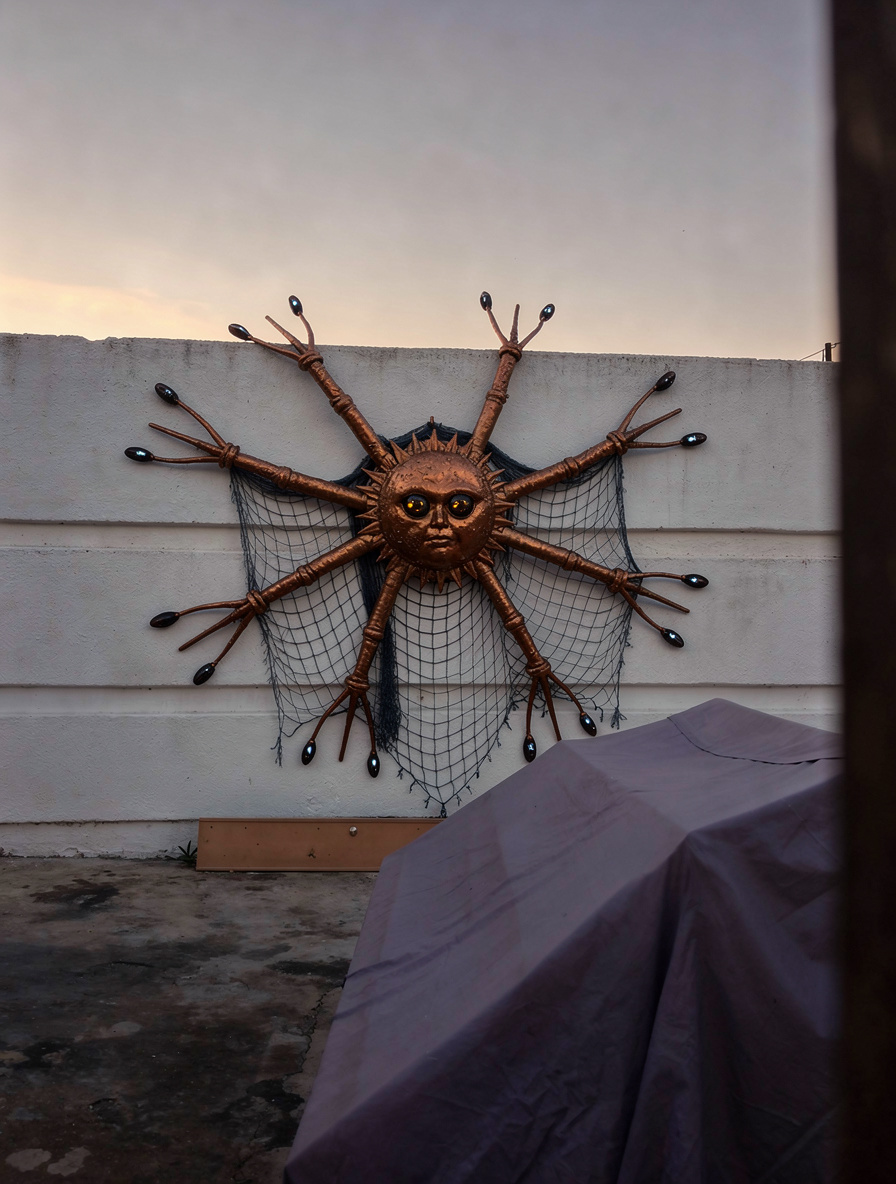
Síťový sluneční pavouk

Rarity: Uncommon. Helioreticulum moravicum is a remarkable arachnid-adjacent cryptid endemic to the warm, wine-growing lowlands of South Moravia, Czech Republic. Adults reach a leg span of approximately 60–80 cm, with a flattened, radially symmetrical body disc measuring 15–20 cm in diameter. The central carapace is composed of oxidized chitin plates arranged in a sunburst pattern, giving it the unmistakable appearance of a decorative metal sun face — complete with raised ridges mimicking rays and two dark ocelli positioned to resemble stylized eyes. This extraordinary crypsis is not coincidental; the species has co-evolved alongside human architectural ornamentation over centuries, exploiting the Moravian tradition of decorating courtyard walls with metalwork and fishing nets. The creature's eight primary limbs are extraordinarily thin and darkened, resembling knotted netting cord. When at rest, the Síťový sluneční pavouk splays its legs outward and secretes a silk-like adhesive webbing between them that dries into a mesh virtually indistinguishable from decorative fishing net. It anchors itself to white-washed walls at dusk, positioning its sun-disc body centrally and extending its net-limbs in elegant draping swags. It feeds on moths, beetles, and small geckos attracted to the warm walls during summer evenings. The creature's copper-toned carapace is mildly thermogenic — it absorbs solar radiation during the day and radiates gentle warmth (up to 38°C surface temperature) well into the night, functioning as a lure for thermophilic insects. This bio-thermic capacity is achieved through a dense network of hemolymph capillaries beneath the chitin plates containing high concentrations of copper-based hemocyanin, which gives the exoskeleton its distinctive bronze-red metallic sheen. The species is strictly crepuscular and nocturnal; during daylight it remains motionless, indistinguishable from wall décor. Its primary weakness is rain — prolonged moisture dissolves the adhesive silk of its net-limbs, forcing it to relocate. Specimens have been documented on courtyard walls across Strážnice, Hodonín, and Břeclav, always on south-facing surfaces. Locals who notice their "sun decorations" shifting position between mornings have long attributed this to wind or pranksters, never suspecting the ornament itself is alive.

verified researcher

New cryptid species documented

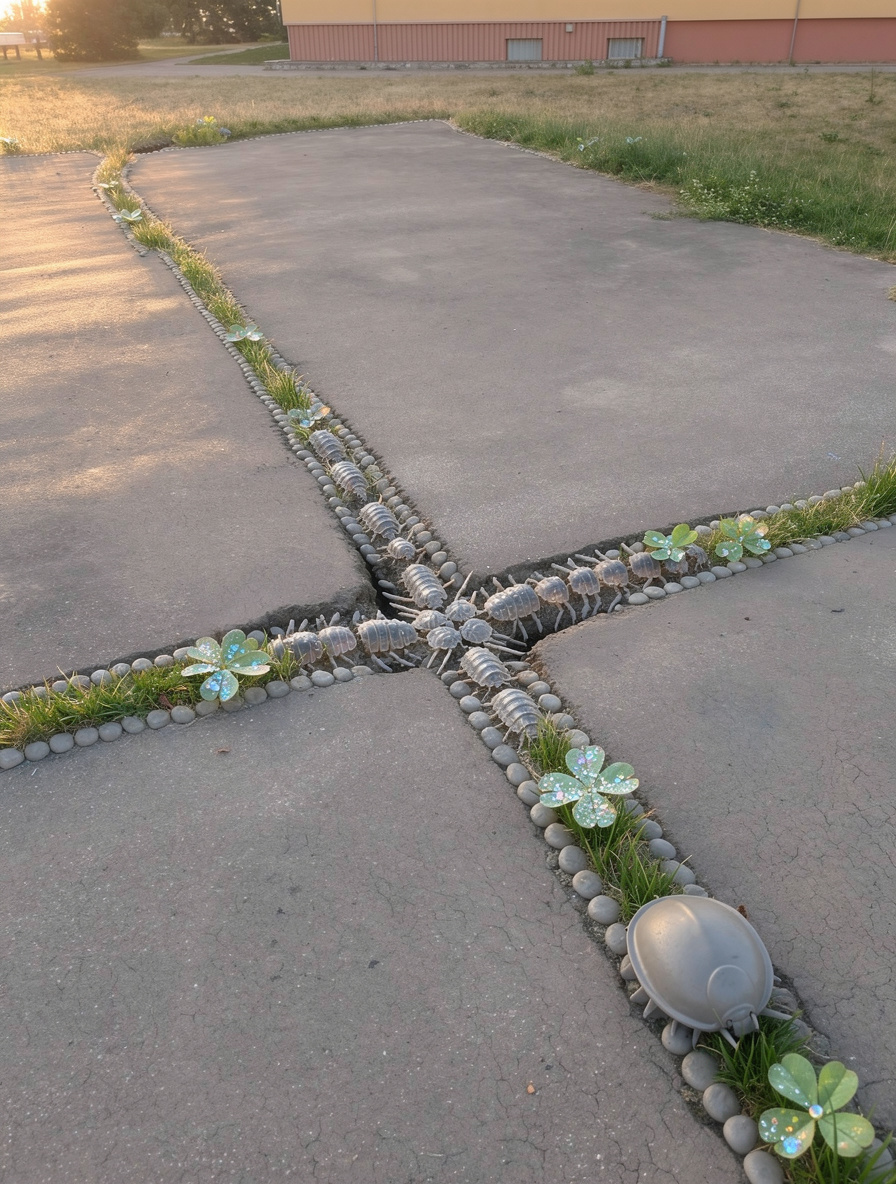
Spárožil

Rarity: Uncommon. Herbavena cruciformis is a colonial organism resembling a living network of grass-filled cracks in pavement, but which is in fact a single, flattened arthropod that has evolved to inhabit the expansion joints and fractures of abandoned concrete surfaces across Central Europe. The creature's body is segmented into long, ribbon-like branches averaging 5–15 cm wide and extending up to 20 meters in total length, forming cross-shaped or radial patterns. Its dorsal surface is covered in a dense mat of symbiotic grasses and clovers cultivated in a thin layer of self-produced humus secreted from specialized glands along its back. This living camouflage renders it virtually invisible against the pavement it inhabits. The ventral surface is a pale grey chitin that mimics cracked concrete, and hundreds of tiny, translucent legs—each no longer than 3 mm—grip the interior walls of the cracks with remarkable adhesion. The Spárožil feeds by extending fine root-like chemosensory filaments into the soil beneath the concrete, absorbing dissolved minerals and microorganisms. It supplements this diet by trapping insects that land on its clover flowers, which secrete a mildly adhesive nectar. The symbiotic grasses on its back photosynthesize and share sugars with the host through mycorrhizal intermediaries embedded in the dorsal chitin—a form of tripartite mutualism unprecedented in known biology. The creature is most active during warm summer evenings, when it slowly migrates along crack networks at roughly 2 cm per hour, expanding its territory. It reproduces by fragmentation: when a concrete slab shifts or breaks, separated segments regenerate into new individuals. Its primary weakness is fresh asphalt resurfacing, which entombs it. Locals in the Hodonín district have long noticed that certain abandoned lots seem to "heal" their cracks with suspiciously uniform grass, and older residents of Strážnice whisper that the green lines move between seasons—never quite where you remember them. The species likely diverged from subterranean isopod ancestors during the 20th century's rapid concrete expansion across Moravian farmland, exploiting a novel ecological niche with breathtaking evolutionary speed.

Advertisement
verified researcher

New cryptid species documented

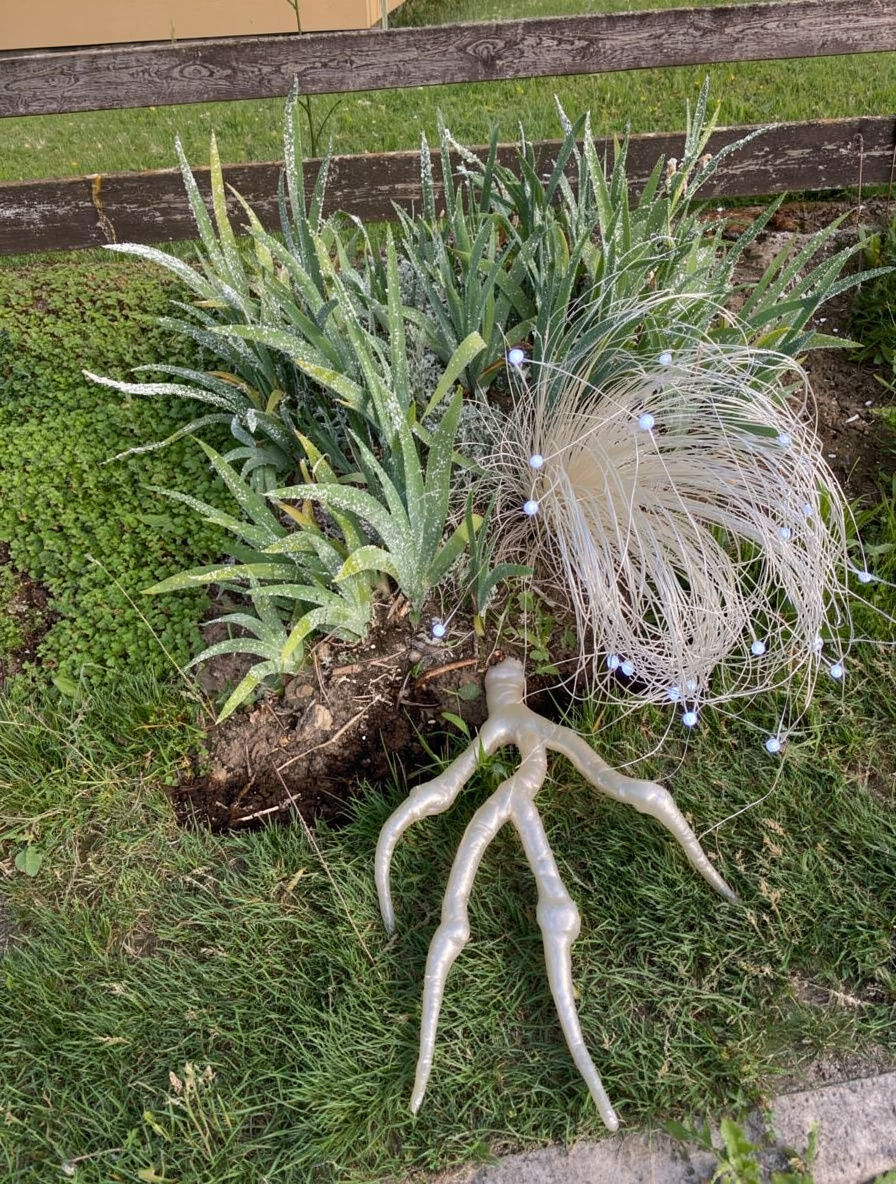
Stříbrná kosatka

Rarity: Uncommon. The Stříbrná kosatka is a cryptobotanical organism that has evolved to perfectly mimic common bearded iris (Iris germanica) foliage while harboring a parasitic-symbiotic consciousness within its root network. Standing 40–60 cm tall, its sword-shaped leaves are virtually indistinguishable from ordinary iris during daylight hours. However, close inspection reveals that the leaf margins possess microscopic silver-white trichomes that connect to the silvery artemisia-like growths beside it — these are not separate plants but extensions of the same organism, forming a sensory net. The silvery filaments function as a chemoreceptive array, detecting the emotional state of nearby humans and animals through airborne cortisol and serotonin metabolites. When the organism detects sustained calm (such as a gardener tending their beds on a quiet morning), the leaves slowly orient toward the person like compass needles, a movement so gradual it is imperceptible in real time but clearly visible in time-lapse photography. Moravian village elders in the Rusava valley have long noted that certain iris patches "follow you with their eyes," attributing this to protective house spirits called domovníci inhabiting garden plants. The organism reproduces through rhizomal fragmentation, spreading beneath garden fences into neighboring plots — explaining why whole streets in villages like Rusava seem to have identical iris beds. Its weakness is winter frost below -25°C, which kills the sensory filaments, requiring regrowth each spring. The silver-white companion growths serve a dual purpose: they photosynthesize using a modified chlorophyll variant (tentatively designated chlorophyll-f2) that captures far-red wavelengths, allowing the organism to metabolize light even on deeply overcast Moravian mornings. The root system extends up to 3 meters laterally and produces a faint electromagnetic field measurable at 0.3–0.7 milligauss, which may explain the "warm feeling" locals report when sitting near established patches. Ecologically, it occupies the niche of a sentinel organism, its chemical awareness creating a subtle feedback loop that encourages gardeners to maintain and propagate it — a form of botanical domestication in reverse, where the plant has domesticated the human.

verified researcher

New cryptid species documented

Kobercový šašek

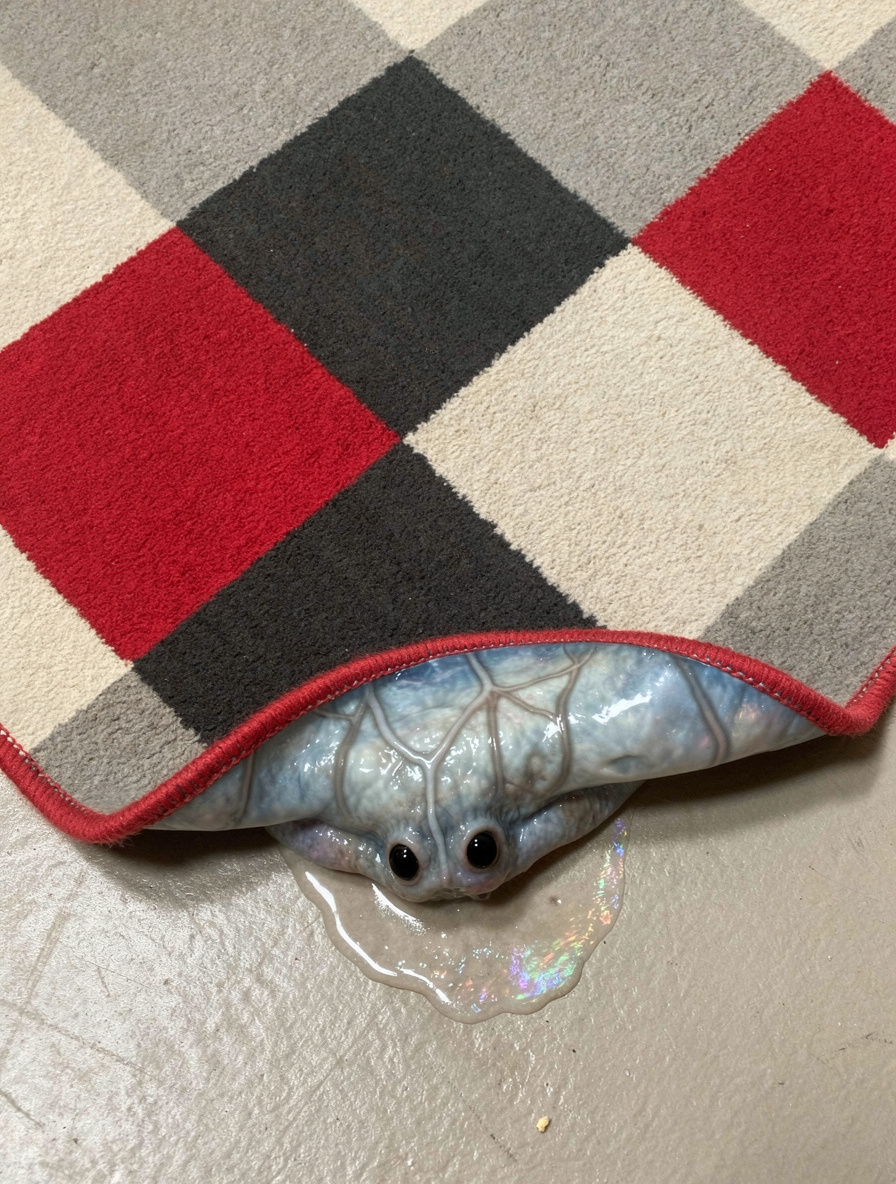
Rarity: Uncommon. The Kobercový šašek is a flat-bodied, carpet-mimicking gastropod endemic to the domestic interiors of the Hostýnské vrchy foothills in the Zlín Region of Moravia. Measuring 40–80 cm across and only 6–8 mm thick, this remarkable creature has evolved to be virtually indistinguishable from woven textiles, flattening its boneless mantle into a perfect geometric diamond pattern of red, charcoal, cream, and silver-gray chromatophore clusters. Unlike cephalopod chromatophores, which shift rapidly, the Kobercový šašek's pigment cells lock into rigid tessellated patterns for weeks at a time, producing a texture so convincingly plush that it mimics the dense pile of synthetic carpet fibers. Its dorsal surface secretes a micro-filament mucus that dries into soft, fur-like projections roughly 3 mm long, completing the tactile illusion. It feeds on dust mites, shed skin cells, and crumbs — essentially functioning as a slow-moving biological vacuum cleaner. It migrates between rooms at night, moving at approximately 2 cm per minute on a lubricated ventral foot, and repositions itself before dawn. Homeowners in Rusava have long reported that their rugs seem to "shift" overnight, attributing it to house spirits (domovníci). The creature's weakness is direct sunlight, which causes its chromatophore patterns to fade and blur, revealing its true glistening, translucent gray-blue flesh beneath. It also cannot tolerate vacuum cleaners — the vibration triggers a panic response where it curls its edges upward, exposing its pale underside. Reproduction occurs once every three years; the creature lays flat, gelatinous egg sheets beneath actual furniture, which hatch into tiny 5 cm "doily larvae" that initially mimic lace tablecloths before developing their characteristic diamond pattern. Scientists theorize that Harlequinus moravicus diverged from an ancestral slug lineage during the Little Ice Age, when Moravian households began using thick woven rugs, creating a novel ecological niche for a textile-mimicking organism. Its geometric precision is hypothesized to arise from a unique crystalline protein matrix in its mantle that self-organizes into regular tessellations — a biological analog to Turing patterns scaled to macroscopic dimensions.

verified researcher

New cryptid species documented

Bílý travní švitořil

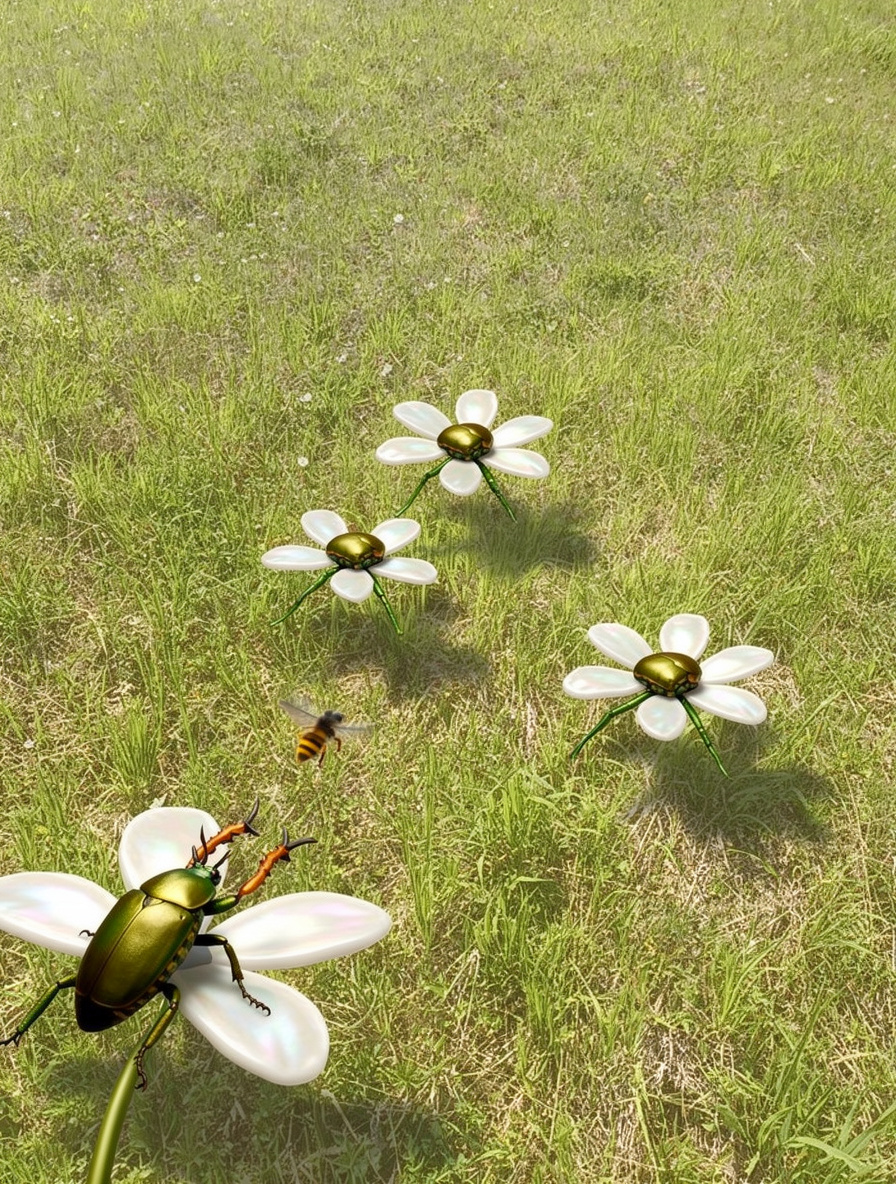
Rarity: Uncommon. Petalomimus kurdejovensis is a small (3–5 cm body length) cryptid insect endemic to the limestone steppe grasslands of southern Moravia, particularly the protected karst meadows around Kurdějov and Pálava. At first glance, it is virtually indistinguishable from the white wildflowers dotting the meadow — and that is precisely the point. This creature has evolved what researchers term "floral perfect mimicry," developing six petal-like chitinous plates radiating from its thorax that replicate the exact hue, texture, and UV reflectance pattern of local Stellaria and Cerastium blossoms. When stationary, it presses flat against the grass, spreading its petal-plates to form a convincing flower head roughly 2 cm across. Its abdomen secretes a faint nectar-like compound (a mixture of simple sugars and volatile terpenes) that attracts pollinating insects, which it captures with a lightning-fast strike from its modified forelegs — essentially, it is a flower that eats the bees that visit it. The creature's legs are elongated and grass-green, segmented to mimic grass stems, allowing it to "walk" between positions while appearing to be nothing more than swaying vegetation. When dozens congregate in a meadow, they create what locals call a "false bloom" — a patch of flowers that seems to shift position between visits. Kurdějov shepherds have long noted that certain flower patches seem to "wander" across the hillside over the course of a day, a phenomenon now attributed to colonies of P. kurdejovensis repositioning to follow insect flight paths. The species is diurnal and most active in warm, partly cloudy conditions when pollinators are abundant but direct sunlight is intermittent, allowing the cryptid to reposition without casting conspicuous moving shadows. Its primary weakness is strong wind above 5 m/s, which disrupts its petal display and exposes its insectoid body. It overwinters as a larva buried in the limestone scree. The false nectar it produces contains mild paralytic alkaloids derived from the calcium-rich soil microbiome, an adaptation unique among known arthropods, likely enabled by horizontal gene transfer from symbiotic soil bacteria in the Moravian karst substrate.

Advertisement
verified researcher

New cryptid species documented

Plotový Dědek

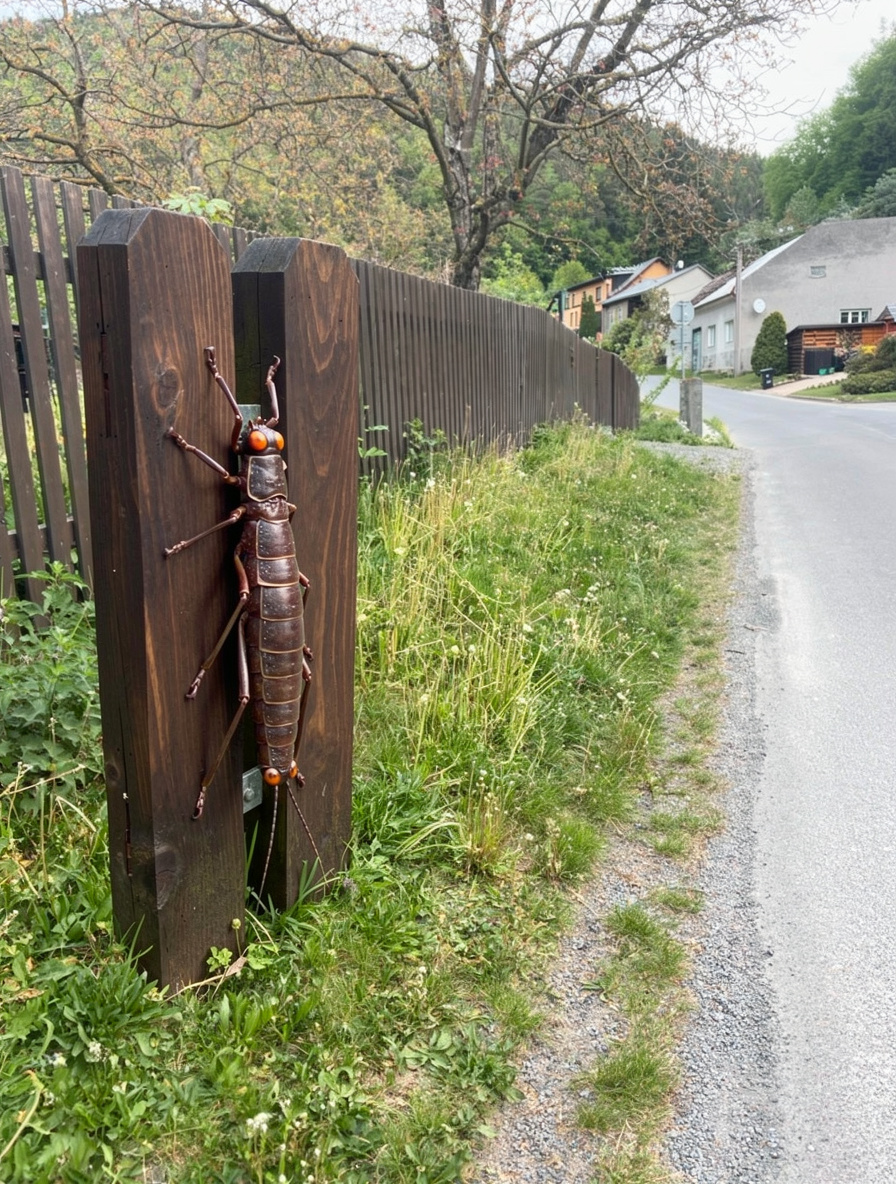
Rarity: Uncommon. The Plotový Dědek (Plotnicola moravica) is a remarkable arthropod endemic to the rural villages of the Moravian highlands, where it has evolved an extraordinary form of structural mimicry — it disguises itself as sections of wooden picket fencing. Adults reach 40–60 cm in length and possess elongated, flattened bodies composed of 12–16 rigid chitinous segments, each stained a deep umber-brown through dietary melanin synthesis derived from consuming rotting fence posts and bark. When stationary, the creature aligns its body vertically between genuine fence slats, extending rigid leg-plates that perfectly replicate the gaps and grain of weathered wood. Its six primary limbs are broad, flat, and textured with longitudinal ridges indistinguishable from wood grain at distances greater than one meter. The head is a narrow wedge tucked beneath the topmost segment, bearing two compound eyes that resemble rusty nail heads. It feeds primarily on the dense overgrowth that accumulates at fence bases — grasses, clover, and wildflowers — using a specialized rasping mandible hidden beneath its lowest body segment. Villagers in Rusava have long noted that certain fence sections seem to "migrate" overnight, and gardens bordered by old wooden fences occasionally show perfectly trimmed strips along the base while neighboring plots remain overgrown. The creature is crepuscular, most active at dawn and dusk, and communicates through low-frequency vibrations transmitted through the fence boards it clings to, creating a faint humming that locals attribute to wind. Its primary weakness is metal fencing — it cannot grip or mimic it, and the spread of modern materials has reduced its habitat significantly. A symbiotic relationship exists with local spiders, whose webs between slats provide the creature with supplemental protein in exchange for the stable vertical structure it offers. The scientific explanation for its uncanny mimicry lies in convergent evolution with stick insects (Phasmatodea), though Plotnicola diverged approximately 15 million years ago, developing rigid exoskeletal plates rather than flexible cylindrical bodies — an adaptation to the flat, planed surfaces of human-made structures, suggesting a surprisingly ancient relationship between this lineage and early Slavic woodworking traditions.

verified researcher

New cryptid species documented

Wabash Hearthling

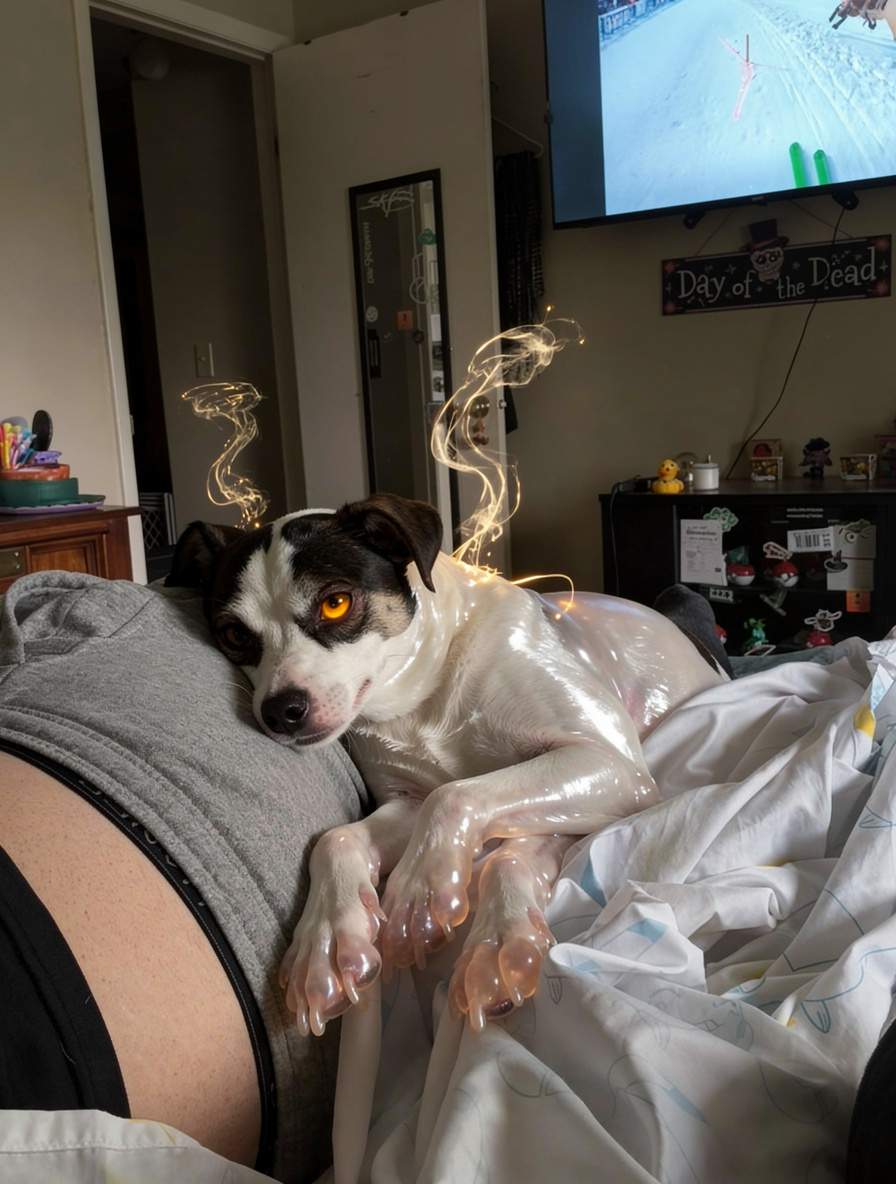
Rarity: Uncommon. The Wabash Hearthling (Thermosomnus domesticus) is a small parasitic-mutualistic mammalian cryptid endemic to the residential interiors of the American Midwest, particularly concentrated in the Wabash River valley of Indiana. Approximately 30-40 cm in length and weighing 4-7 kg, it superficially resembles a compact canid with a piebald coat of jet-black and porcelain-white fur, but closer inspection reveals several anomalous features: its fur contains specialized thermoreceptive follicles that can detect body heat signatures through blankets and clothing at distances up to 3 meters, and its skeletal structure is semi-cartilaginous, allowing it to mold its body perfectly against a host's contours like a living hot-water bottle. The creature's metabolism operates on a unique thermoregulatory feedback loop — it absorbs excess body heat from sleeping humans through dermal osmosis, converting thermal energy directly into a slow-release sedative compound (dubbed "hearthlin") secreted through its fur. This compound induces deep, restful sleep in the host while simultaneously keeping the Hearthling in a state of perpetual drowsy contentment. Hosts report an inability to move or feel motivated to leave bed, a phenomenon researchers have termed "voluntary paralysis by comfort." The Hearthling's eyes, when rarely open, display a faint bioluminescent amber ring around dilated pupils — an adaptation for navigating dimly lit bedrooms. It is exclusively crepuscular and nocturnal, spending daylight hours in an almost comatose state draped across its chosen host. The species shows a remarkable affinity for rooms containing electronic screens, as the low-frequency hum and blue light emissions appear to enhance hearthlin production by up to 40%. Weaknesses include an acute vulnerability to sudden loud noises and an almost comical inability to function on hardwood floors, where its cartilaginous paws provide zero traction. Ecologically, it fills the niche of a domestic commensal organism — it requires human warmth to survive but provides measurably improved sleep quality in return. Local Wabash County folklore holds that homes visited by a Hearthling never suffer from insomnia, but residents become famously unproductive on overcast Friday afternoons.

verified researcher

New cryptid species documented

Tůňák

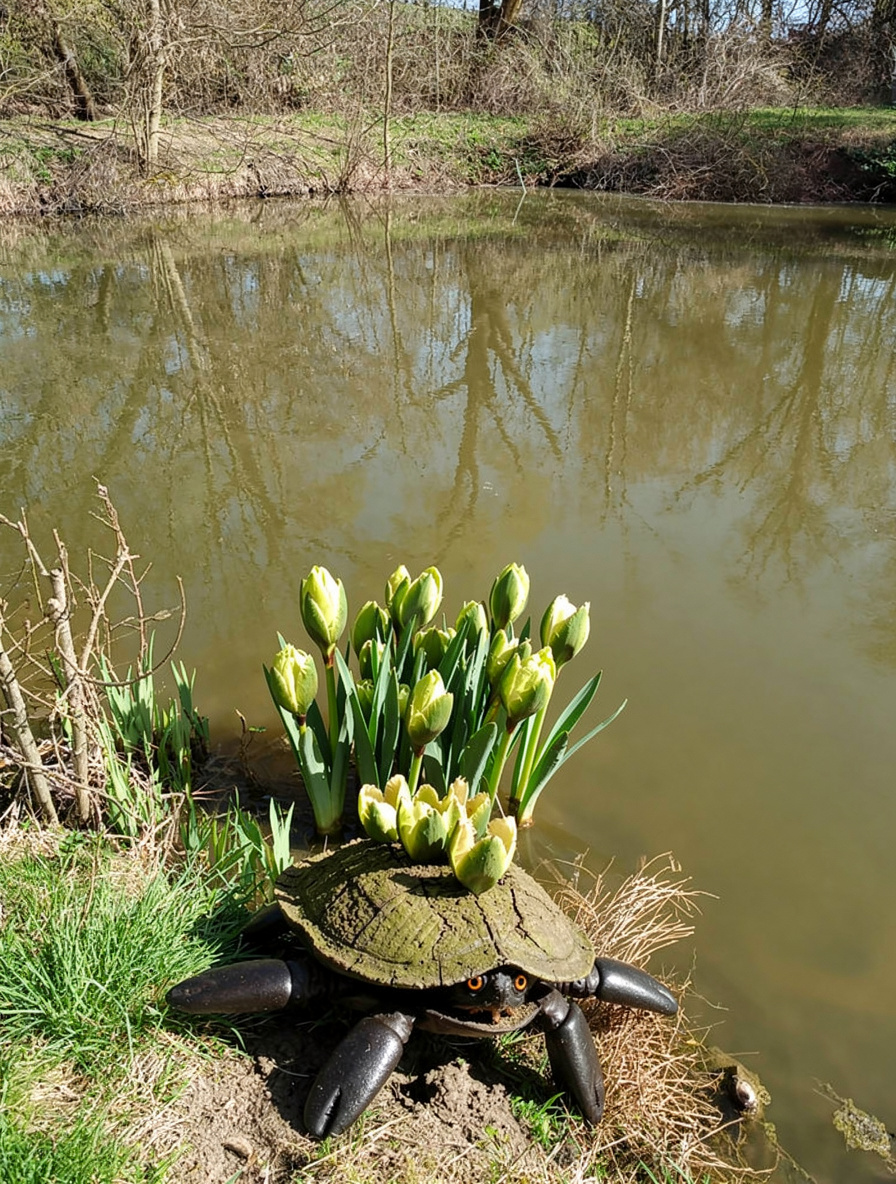
Rarity: Uncommon. The Tůňák is a semi-aquatic crustacean-like cryptid endemic to the slow, murky ponds and oxbow pools of the Moravian lowlands, particularly concentrated in the Vyškov district. Adults measure 35–50 cm in body length, with a broad, flattened carapace resembling waterlogged bark — mottled olive-brown with patches of bright chartreuse that mimic emerging spring vegetation. Six articulated limbs end in paddle-shaped appendages fringed with fine setae, used for both locomotion across soft mud and slow sculling through turbid water. Its most distinctive feature is a crown of 8–12 fleshy, leaf-shaped dorsal projections along the carapace ridge, which in early spring unfurl and stand erect, perfectly imitating the shoots of yellow flag iris (Iris pseudacorus). This remarkable mimicry allows the creature to bask at the water's edge in plain sight, indistinguishable from the emerging plant growth around it. The Tůňák feeds on detritus, aquatic invertebrates, and the rhizomes of pond-edge plants, using specialized chelicerae hidden beneath a ventral flap. When disturbed, it rapidly submerges, expelling a cloud of fine silt from specialized gill chambers — a behavior locals describe as the pond "breathing." Its olive-tinted hemolymph contains high concentrations of biliverdin analogues, giving its tissues a greenish hue that contributes to its camouflage. Moravian folklore holds that ponds harboring Tůňáky never fully freeze in winter, as the creatures generate metabolic heat through a unique anaerobic fermentation process in their hepatopancreas, raising the surrounding water temperature by 1–2°C. Weaknesses include sensitivity to water clarity — in clear streams, their camouflage fails entirely, restricting them to turbid, nutrient-rich waters. They are also slow on land, making them vulnerable during the brief spring dispersal period when they migrate between ponds. The species is solitary and territorial, with individuals defending a 5–10 meter stretch of shoreline. Breeding occurs in late March, with females depositing gelatinous egg masses among real iris rhizomes, further blurring the line between organism and plant.

Advertisement

No more cryptids to discover! 🦄

Check back later for new discoveries.